suspended ducting is a critical component of any modern HVAC system. This system involves a network of ducts that distribute heated or cooled air throughout a building, providing comfort for occupants. When it comes to the installation of these ducts, one popular method is to hang them from the ceiling or roof structure. This approach, known as suspended ducting, offers a range of benefits that contribute to the overall efficiency and effectiveness of the HVAC system.
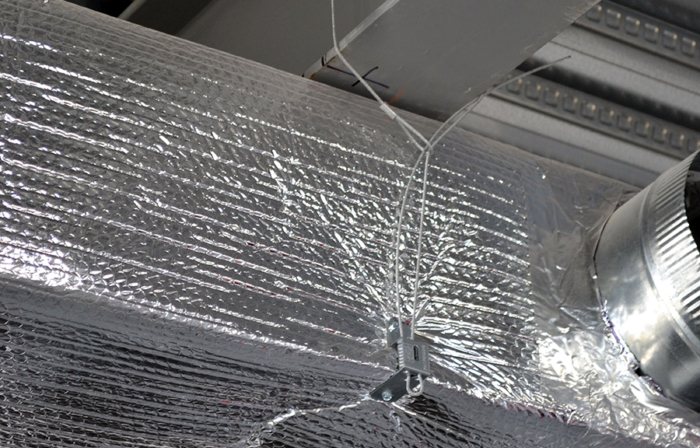
One of the primary advantages of suspended ducting is its ability to maximize space utilization. By hanging the ductwork from the ceiling or roof, the system can be installed in areas that would otherwise be unused, such as above workspaces or equipment. This not only saves valuable floor space but also allows for more flexibility in the design and layout of the HVAC system. In buildings with limited space, such as commercial offices or industrial facilities, suspended ducting can be a game-changer in terms of optimizing the use of available space.
Another key benefit of suspended ducting is its ability to provide improved air circulation. By suspending the ductwork from above, the system can deliver air more efficiently to different areas of the building. This helps to ensure that the temperature is consistent throughout the space, preventing hot or cold spots that can lead to discomfort for occupants. Additionally, the elevated placement of the ducts can help to minimize obstructions and ensure a clear path for the airflow, further enhancing the efficiency of the HVAC system.
suspended ducting also offers benefits in terms of ease of maintenance and accessibility. When ductwork is installed overhead, it is easier for technicians to access and service the system as needed. This can help to reduce downtime for maintenance and repairs, allowing the HVAC system to operate at peak performance levels. In addition, suspended ducting can help to facilitate the installation of additional components, such as dampers or air filters, making it easier to upgrade or modify the system as needed.
In addition to these practical benefits, suspended ducting can also have aesthetic advantages. By hanging the ductwork from the ceiling, the system can be concealed within a drop ceiling or other architectural features, helping to create a clean and streamlined look. This can be particularly important in commercial or retail settings, where the appearance of the HVAC system can have an impact on the overall aesthetic of the space. With suspended ducting, building owners and designers have more flexibility in terms of creating a cohesive and visually appealing environment.
Overall, suspended ducting is a highly effective and efficient method of installing HVAC systems in a wide range of commercial and industrial settings. By maximizing space utilization, improving air circulation, enhancing maintenance accessibility, and providing aesthetic benefits, suspended ducting offers a number of advantages that can help to optimize the performance of the system and create a comfortable environment for building occupants. Whether you are designing a new HVAC system or retrofitting an existing one, considering the benefits of suspended ducting can help you achieve the optimal solution for your building’s heating and cooling needs.
In conclusion, the use of suspended ducting in HVAC systems can offer a range of benefits that contribute to the overall efficiency and effectiveness of the system. By maximizing space utilization, improving air circulation, enhancing maintenance accessibility, and providing aesthetic advantages, suspended ducting is a versatile and practical solution for a variety of building environments. Whether you are designing a new HVAC system or upgrading an existing one, considering the benefits of suspended ducting can help you achieve a high-performing system that meets the needs of your building and its occupants.