In the world of structural engineering, one of the key considerations is ensuring that buildings and structures are able to withstand unpredictable natural disasters such as earthquakes. seismic bracing systems are a critical component in this regard, playing a vital role in protecting buildings and their occupants from the devastating effects of seismic activity.
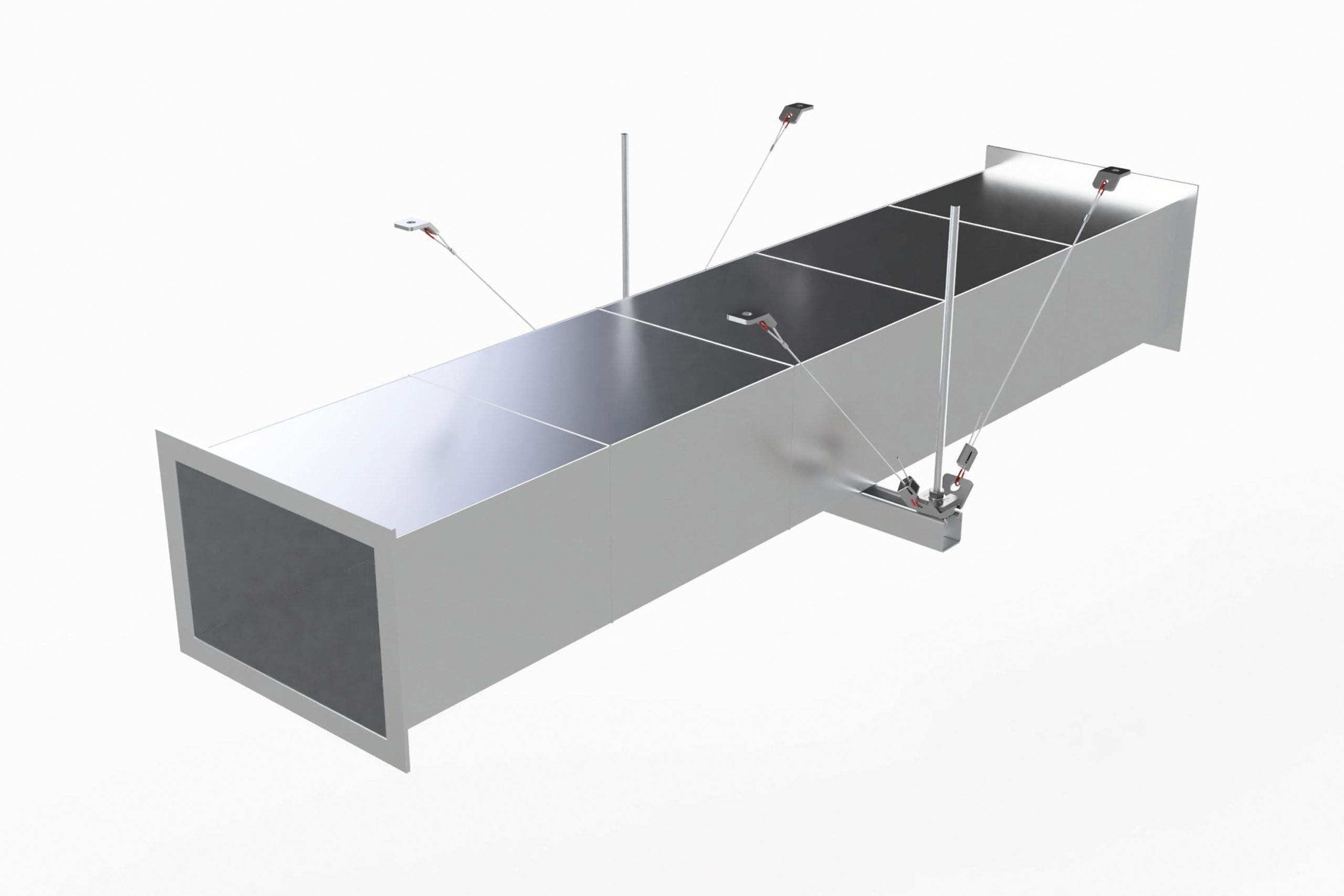
seismic bracing systems are specifically designed to help buildings absorb the lateral forces generated by an earthquake, reducing the risk of structural damage and collapse. These systems consist of a series of braces, dampers, and connectors that work together to stabilize the structure and mitigate the effects of seismic forces.
One of the main functions of a seismic bracing system is to provide lateral support to the building, preventing it from swaying or tilting excessively during an earthquake. This is achieved through the use of braces, which are typically made of steel or other high-strength materials and are strategically placed throughout the building to provide support and resistance to lateral movement.
In addition to providing lateral support, seismic bracing systems also help to distribute the forces generated by an earthquake more evenly throughout the structure. This helps to reduce the concentration of stress on specific areas of the building, which can help to prevent localized damage and potential collapse.
Another important function of seismic bracing systems is to protect building contents and occupants from falling debris and structural damage during an earthquake. By providing additional support and stability to the building, these systems can help to minimize the risk of injury and damage caused by falling objects and collapsing structures.
There are several different types of seismic bracing systems available, each designed to suit different types of buildings and structural configurations. Some common types of seismic bracing systems include moment-resisting frames, shear walls, and base isolators, each offering unique advantages and benefits in terms of seismic performance.
Moment-resisting frames are a popular choice for high-rise buildings and structures with large open spaces, as they are able to provide significant resistance to lateral forces and allow for greater flexibility in design. Shear walls, on the other hand, are typically used in buildings with a more regular layout and provide excellent stiffness and strength in resisting lateral forces.
Base isolators are another important component of seismic bracing systems, designed to help buildings withstand the lateral forces generated by an earthquake by allowing the building to move independently of the ground motion. This helps to reduce the transmission of seismic forces to the structure, protecting it from excessive damage and potential collapse.
Overall, seismic bracing systems play a crucial role in ensuring the safety and stability of buildings and structures in earthquake-prone regions. By providing support, stability, and protection against the destructive forces of seismic activity, these systems help to minimize the risk of structural damage, collapse, and injury, ultimately saving lives and protecting valuable property.
In conclusion, seismic bracing systems are an essential component of structural engineering, helping to protect buildings and their occupants from the devastating effects of earthquakes. By providing support, stability, and protection against lateral forces, these systems play a vital role in ensuring the safety and resilience of buildings in earthquake-prone regions. Investing in a well-designed and properly installed seismic bracing system is crucial for any building owner or developer looking to safeguard their property and ensure the longevity and durability of their structures.